Why Small Practices Matter in a Fast-Moving World
Modern life rewards speed.
We move quickly between emails, meetings, notifications, and endless streams of information. Days pass in a blur, and many people find themselves feeling busy yet strangely disconnected.
What is often missing is not more productivity.
It is presence.
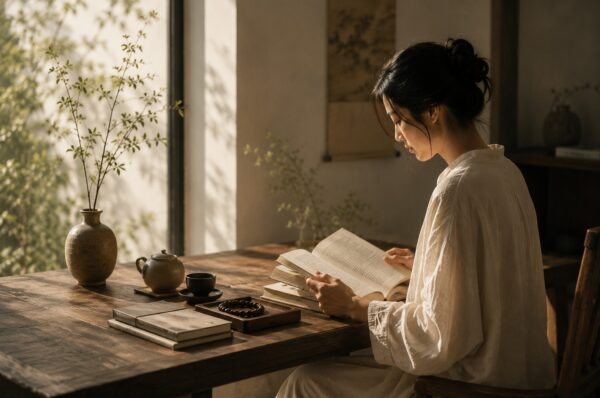
Across many Eastern traditions, daily rituals were never designed to make life more complicated. They were created to help people return to the moment.
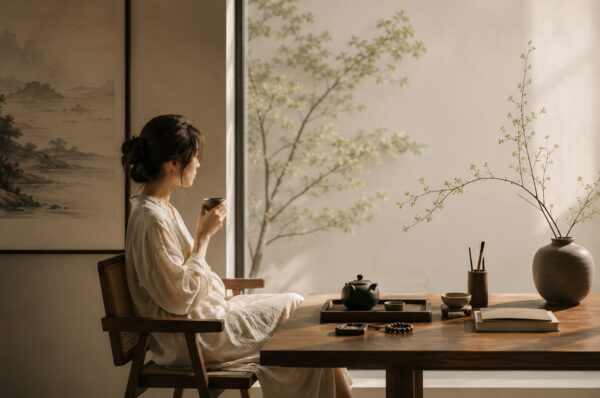
A cup of tea prepared with attention.
A few minutes of quiet breathing before work.
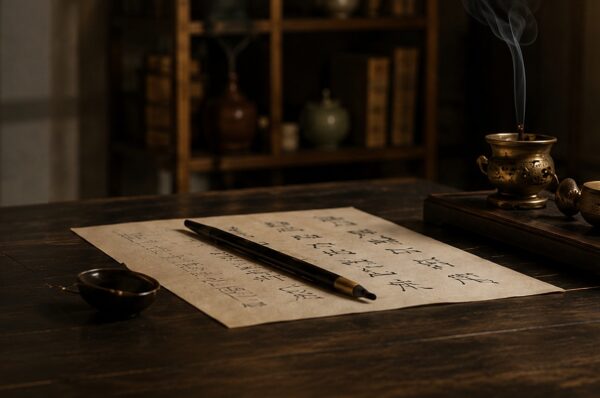
The lighting of incense at dusk.
The turning of a bracelet bead during reflection.
These actions are simple. Yet their value lies not in the action itself, but in the awareness it invites.
A ritual transforms an ordinary moment into a meaningful one.
Unlike habits, which are often performed automatically, rituals encourage intention. They remind us that even the smallest object can become a doorway to mindfulness.
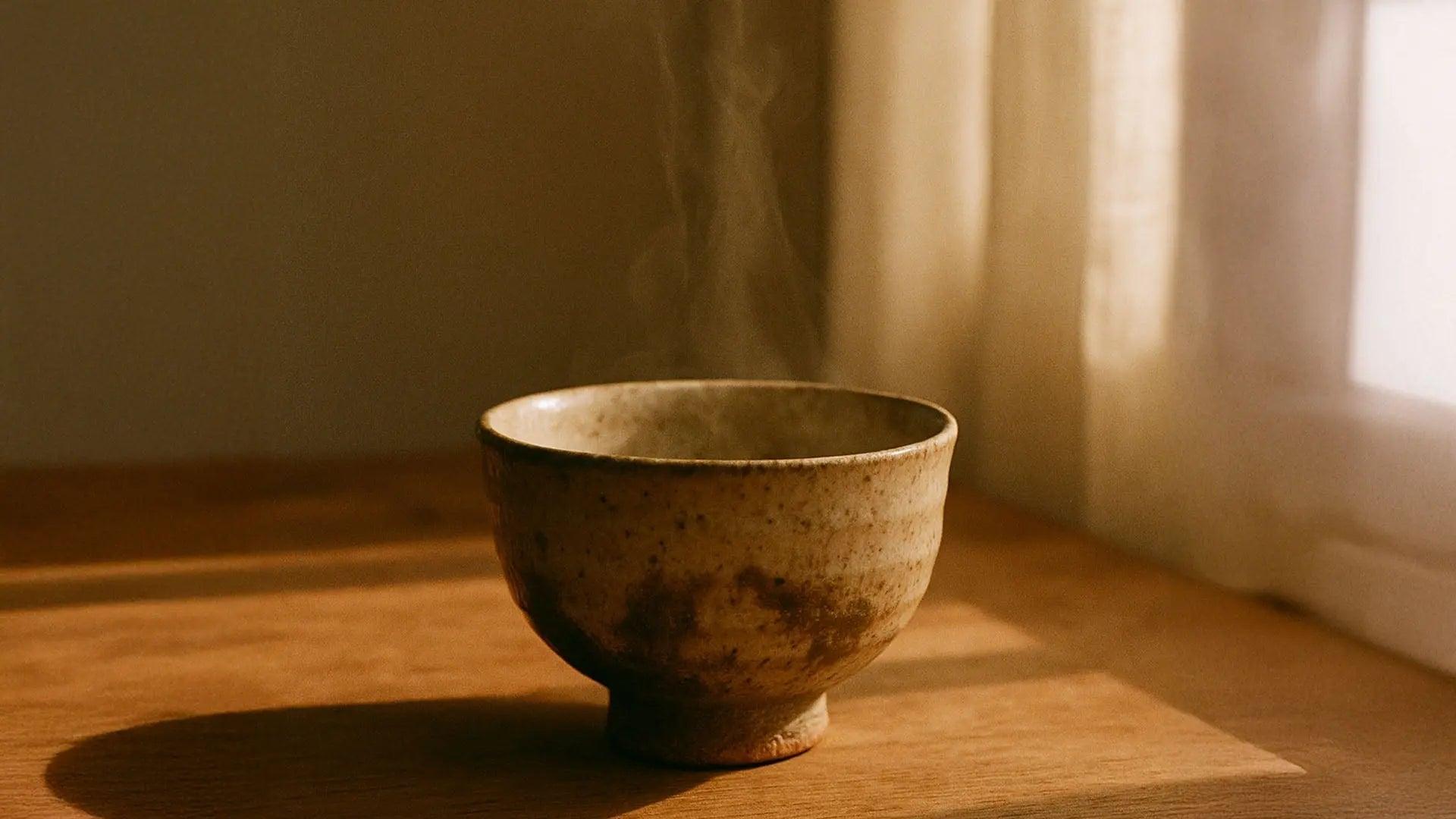
A tea bowl is no longer just a vessel.
It becomes an invitation to slow down.
A desk object is no longer merely decoration.
It becomes a reminder to focus.
A strand of beads is no longer simply an accessory.
It becomes a companion for reflection.
In a world constantly asking for our attention, rituals offer something increasingly rare: the opportunity to return to ourselves.
The goal is not perfection.
The goal is presence.
Perhaps the most meaningful rituals are not the grand ceremonies reserved for special occasions, but the quiet practices repeated each day.
One mindful breath.
One intentional pause.
One ordinary moment transformed.
Auranimbus Journal
Objects for Presence.
Objects for Reflection.
Objects for a Slower Life.