White Cloud Temple
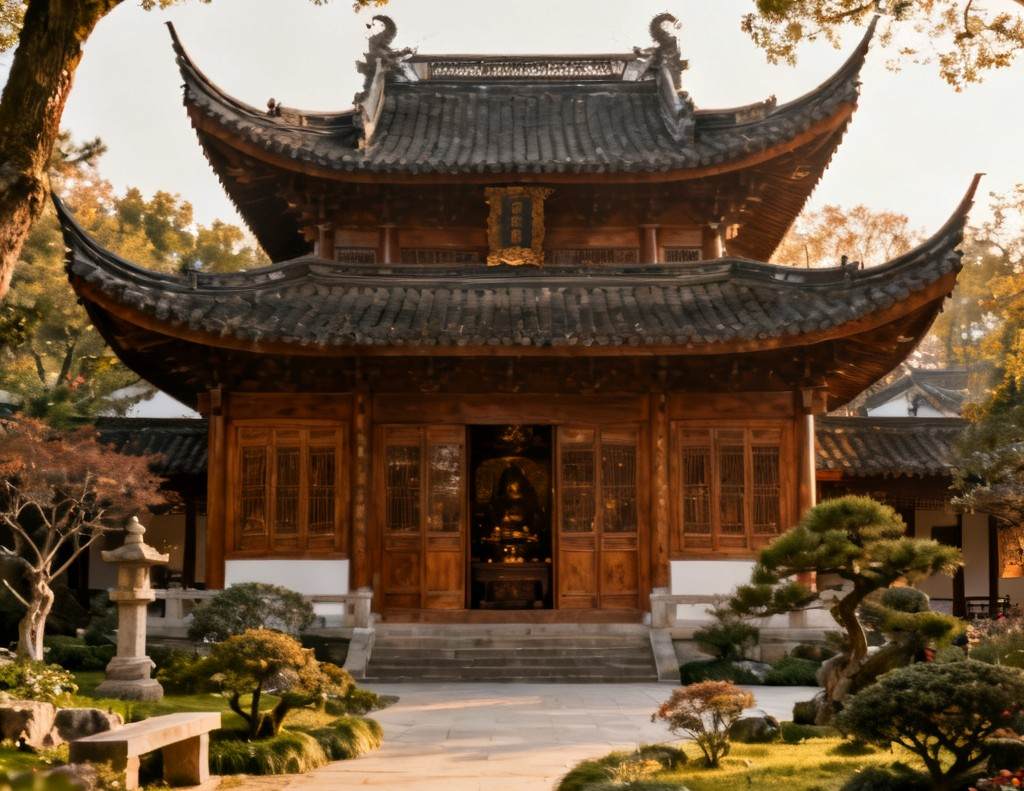
White Cloud Temple stands as a quintessential example of a Taoist temple.
Daoism essentially denotes the indigenous philosophical and religious traditions of China. Defined in this sense, it has long been a dominant religious force in China, exerting a pervasive influence on other faiths. As China’s oldest native religion, it emerged amid a land once inhabited by numerous ethnic groups with diverse racial origins.
Historically, each of these ethnic groups likely maintained its own distinct deities and religious convictions. Over the centuries, various kingdoms and empires rose across different regions, gradually integrating an increasing number of these groups into their domains. A recurring religious theme across these political entities was the belief in an afterlife—a notion evidenced by ancient tombs scattered throughout China. Consequently, people felt obligated to pay homage to the deceased, tend to their spiritual needs, and communicate with them through mediums and necromancers.
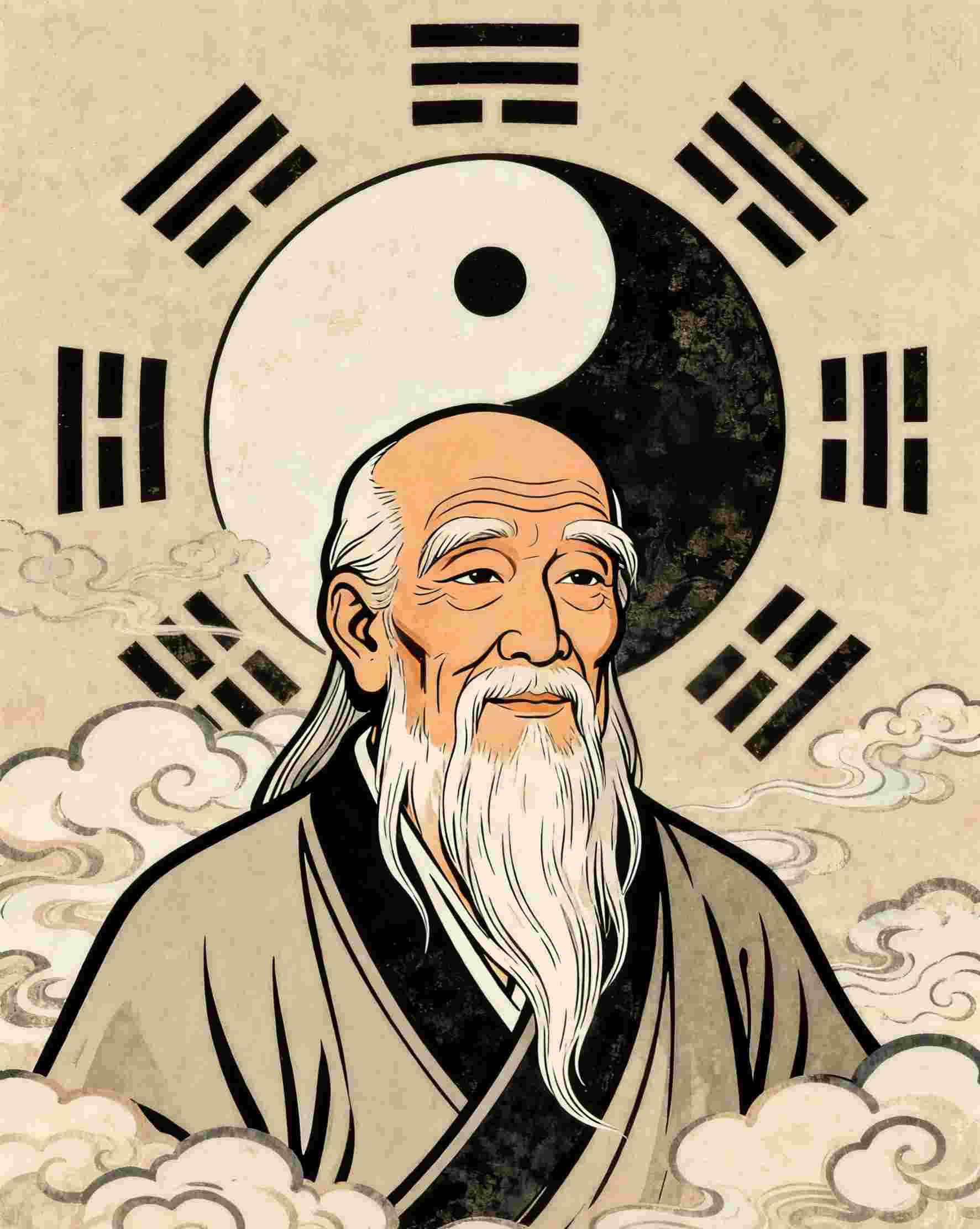
Many Chinese held a sense of awe or fear toward the dead, prompting them to either obey the deceased’s will or seek to appease their spirits. Another profound concept in Chinese philosophy is encapsulated by the adage: “What one believes in becomes real to them.” Closely tied to this is the idea that reality itself is not absolute, and there exists no single, universal Truth. In this context, the historical existence of Laozi—the purported author of the Dao De Jing—is of little consequence. As the classic text states: “A name that can be named is not the eternal name.”
A core aspiration of ancient people was to avoid death and attain longevity. This desire led to the development of various techniques for prolonging life. Some Daoist teachings assert the existence of humans who have lived for hundreds or even thousands of years, remaining involved in mortal affairs and China’s societal developments. These immortals are objects of worship for certain Daoist practitioners.
Some immortals are said to have died but later attained a new form of existence. Daoist tradition distinguishes between internal and external methods of longevity cultivation. Internal practices include regulating and circulating Qi (vital energy), engaging in meditation, and embracing inaction. External methods, by contrast, involve the use of elixirs crafted from minerals (such as mercury) and herbal remedies.
Daoism boasts a pantheon comprising hundreds of gods and immortals. Notable examples include Man and Mo, two popular deities in southern China. Believed to have been historical figures, they are often venerated together in dedicated “Man Mo Temples.” Another prominent deity is Guan Yu, a renowned general of the Three Kingdoms period who served under both Cao Cao and Liu Bei. He is particularly revered by military officers and warriors, who offer prayers to him for prowess and protection.
Central to Daoist ethics and philosophy is the principle of wuwei (无为), often translated as “non-action” or “effortless action.” This concept entails refraining from imposing one’s personal will on events. Broadly speaking, Daoists hold that by abstaining from forced intervention, all things will naturally fall into their proper order. Complementing this core tenet is the belief that reality is subjective, constructed through individual perception. There is no singular, objective reality or absolute truth—only fragmented manifestations experienced by each individual.
Underpinning these overarching concepts are the “Three Treasures,” three cardinal virtues that shape Daoist thought: compassion, moderation, and humility. Alternate English renderings include kindness, simplicity (avoiding excess), and modesty. Together, these virtues encapsulate much of China’s indigenous philosophical heritage and its idealized approach to life.