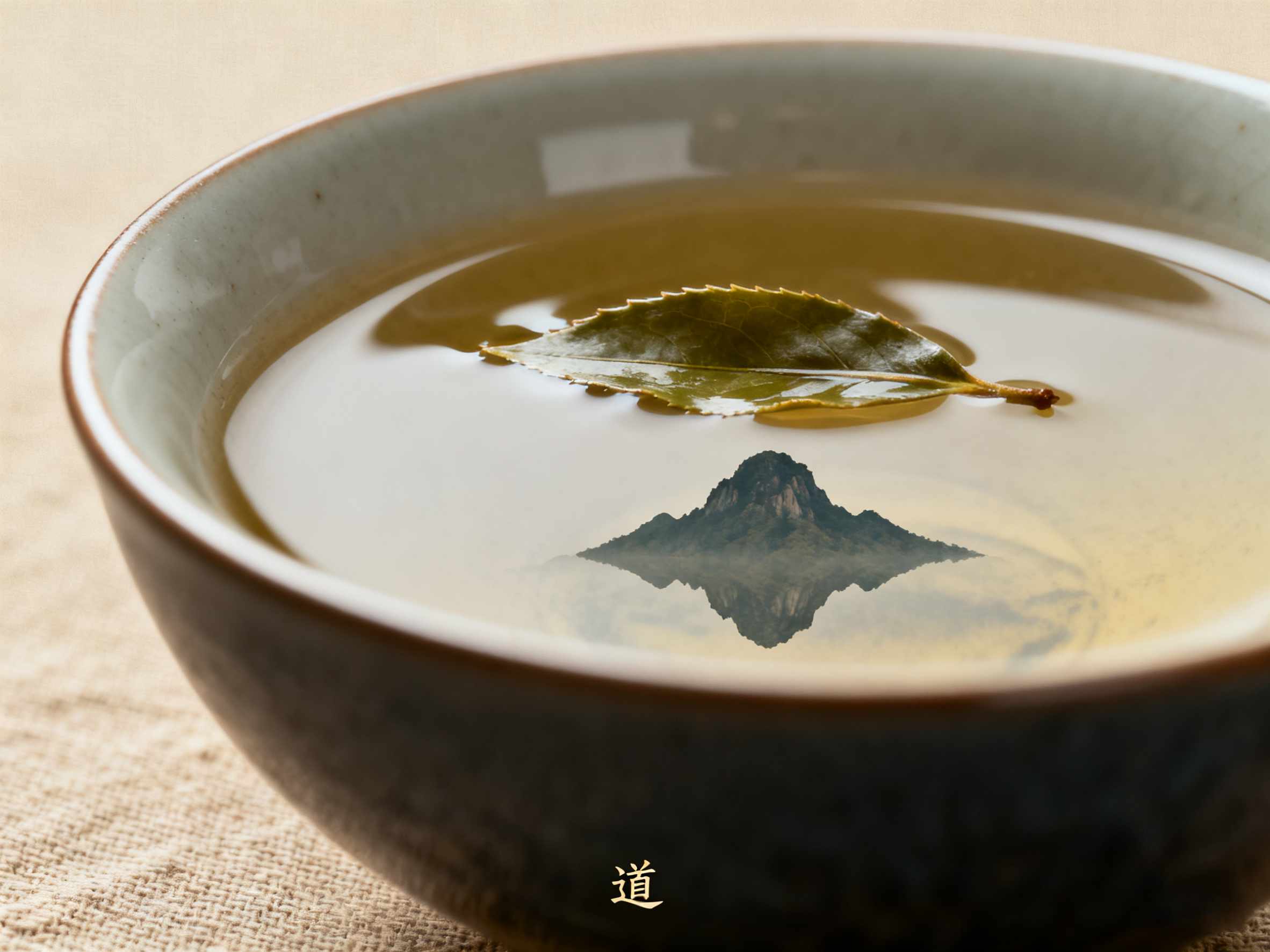
“Nothing in the world is softer or weaker than water, yet nothing is better at overcoming the hard and strong.”
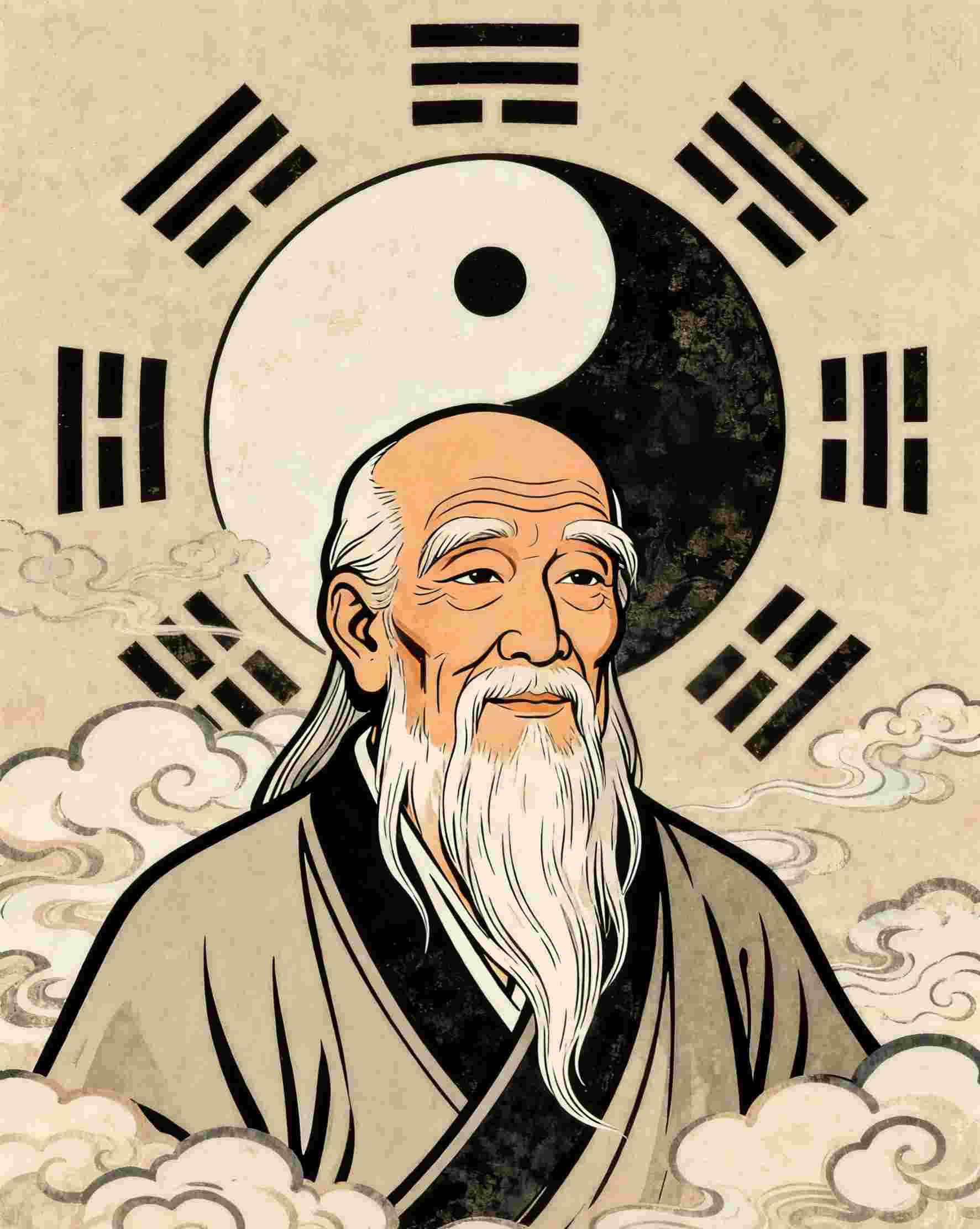
This insight, written by Laozi over two millennia ago in the Tao Te Ching, still resonates deeply in our fast-paced, anxiety-filled world.
Today, we seek to reinterpret the core of Daoist wisdom: the “Tao” is not some distant, abstract mystery, but a practical philosophy of flow. “Wu Wei” does not mean passive inaction—it is the art of flowing with the natural current, much like an athlete entering the “zone,” completely immersed and effortless. It is like the butcher in Zhuangzi’s parable, whose blade remained sharp for nineteen years because he cut through the gaps, not against the bones.
Daoism does not teach us to resist the world, but to “become like a river.” There is no need to struggle upstream or cling to what is rigid. When we release our fixation on outcomes and our anxiety about the future, and instead focus fully on the present moment, we begin to understand the natural way of things—what Laozi called “the self-so transformation of all things.”
Like water, which does not strive for the highest place yet nourishes everything and can, with persistence, wear away rock. Like Bill Russell’s experience on the basketball court: “It was almost as if we were playing in slow motion… I could see how the next play would develop.”
In an era where “pushing to the extreme” has become the default mode, and anxiety and depression are on the rise, Daoism’s philosophy of flow offers a gentle antidote. It reminds us that results are not proportional to effort exerted. True effectiveness lies in aligning our actions with the rhythm of the Tao—neither too fast nor too slow, neither forced nor contrived. It is in “not striving” that we achieve, and in “letting go” that we meet a more poised and peaceful version of ourselves.